Over the years I’ve given a bunch of technical presentations, most of them surrounding development and data, obviously. Some are deep dives into how the tools really work: Entity Framework, indexes, data profiling, SQL Server internals. Some are about the cloud. And a few are about the parts of the job that have nothing to do with code but have everything to do with getting the job done. Every one of them is built for practitioners, with real demos, honest tradeoffs, and no vendor slideware.
Who’s Afraid of Entity Framework?
Entity Framework and other ORMs are a boon for developers, but they leave data professionals holding the bag on performance. We’ll cover how EF works, how to recognize an EF-generated database, and practical tips for improving the T-SQL it writes.
We Don’t Need Roads: A Look Into SQL Server Indexes
Ever run a query so slow you wondered if the database was from 1955? You could build a Delorean, or you could build an index. This session covers how indexes are structured, why they speed up reads, what they cost you on INSERT/UPDATE/DELETE, and how Entity Framework reacts once the new indexes show up.
The Quest to Find Bad Data With Data Profiling
Our data archaeologist has found a database holding the world’s greatest relics — but it’s in an ancient format and the data may be wrong. This session shows how data profiling can identify bad data, measure inaccuracies, and prove your queries are right before you migrate to SQL Server, leading you to fortune and glory.
Introduction to Azure Functions
You’ve got a small bit of code to run — so why spin up an entire VM for it? Azure Functions lets you run code on a trigger or a schedule and pay only while it’s running. This session covers the serverless model, how to build your own functions, and a demo that parses web logs into an Azure SQL Database.
The State of Serverless
Cloud computing isn’t the future, it’s the present, and serverless may be its most transformative piece for developers. No VMs to spin up, no Windows to patch, just the part we’re actually good at: writing code. This session covers serverless basics, how it’s implemented in Azure Functions and AWS Lambda, and demos to get your first serverless app running.
Database Design Disasters
Not every system gets a database architect, sometimes developers design the database, and sometimes it shows. This interactive session walks through real-world design choices I’ve run into, why they didn’t work, and what could have been done better. We may even peek at SQL Server internals along the way.
Entity Framework – Code First and Magic Unicorns
Entity Framework used to mean a designer and a pile of XML. With Code First, you can ditch the XML and define your data model directly in code. This fast-moving session covers Data Annotations, the Fluent API, DbContext, and the new Migrations feature.
The T-SQL Features in SQL Server 2012 You Can’t Ignore
With the introduction of SQL Server 2012 data developers have new ways to interact with their databases. This session will review the powerful new analytic windows functions, new ways to generate numeric sequences and new ways to page the results of our queries. Other features that will be discussed are improvements in error handling and new parsing and concatenating features.
Five Free SQL Server Tools You Need Now!
SQL Server is a massive piece of software. The internal tools are good but there are things that are difficult to do. This session will introduce five must have tools that improve your interaction with SQL Server and boost your productivity into the stratosphere.
How To Build An App For The Community
One year ago while sitting in training class I had the idea of a tool to help devs tune SQL queries. After a few days of coding I introduced statisticsparser.com a tool that transforms and aggregates SQL output. In this presentation, I’ll share what Statistics Parser is, how it works, and how I promoted it in the community. I’ll also give you some tips on how you can create your own community tool.
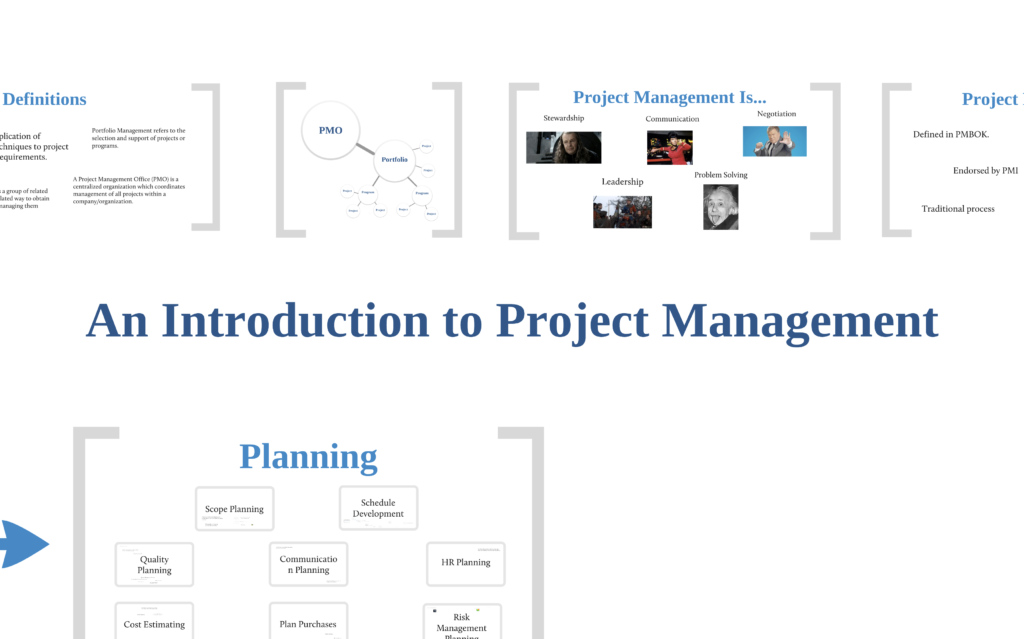
An Introduction to Project Management
The IT industry is now being dominated by projects. This session is designed to present a high-level foundational knowledge of the project management process. It will also focus on the tools that IT professionals can use to deliver projects on time and on budget.
Introduction to Scrum
IT used to work one way: plan the whole system up front, then build it. But systems are more complex now and change happens daily, which is exactly why agile methodologies aren’t going away. This session introduces the Scrum process and shows how it could work in your organization.

7 Tips for a Successful IT Career Without Getting Fired
Want more money, a bigger office, and a better title? This session won’t promise you any of that, but it will offer practical tips for making yourself more valuable in the marketplace (without getting fired), getting noticed, and keeping up with new technology. Plus a few stories from my own career along the way.